|
|
Design and Construction Architectural Studio Engineering - Consulting Services |
|||||||||||||||||||||||||||||||||||
|
|
||||||||||||||||||||||||||||||||||||
|
click images to enlarge
|
||||||||||||||||||||||||||||||||||||
|
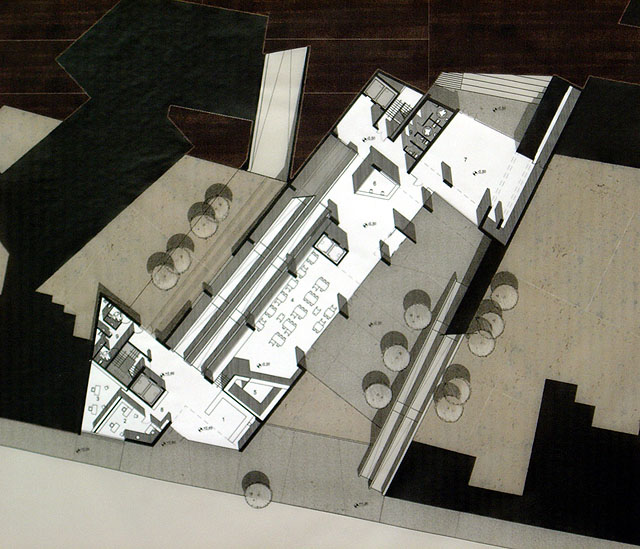
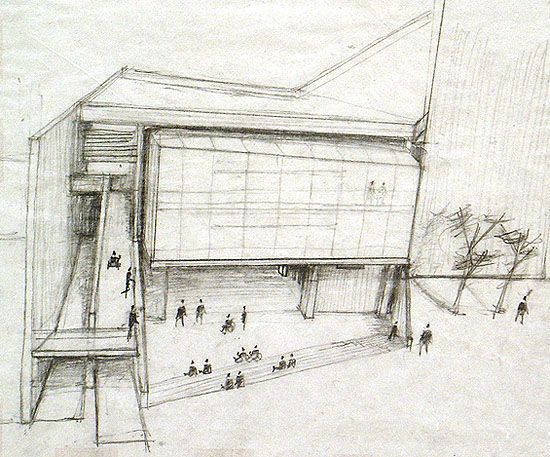
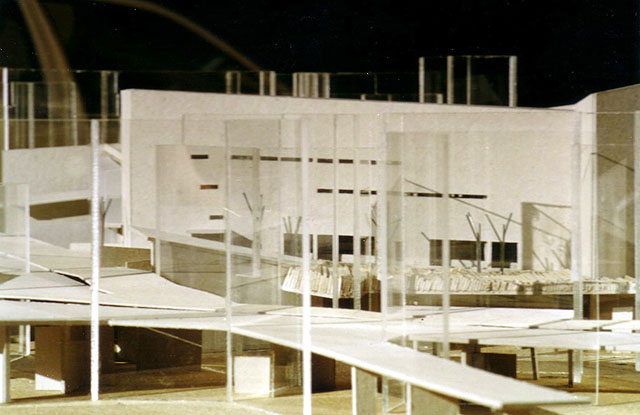
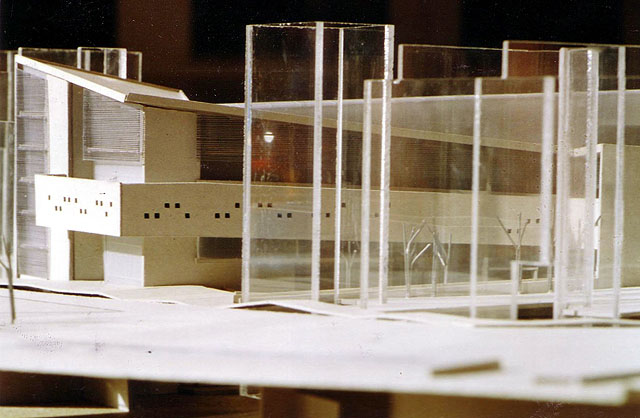
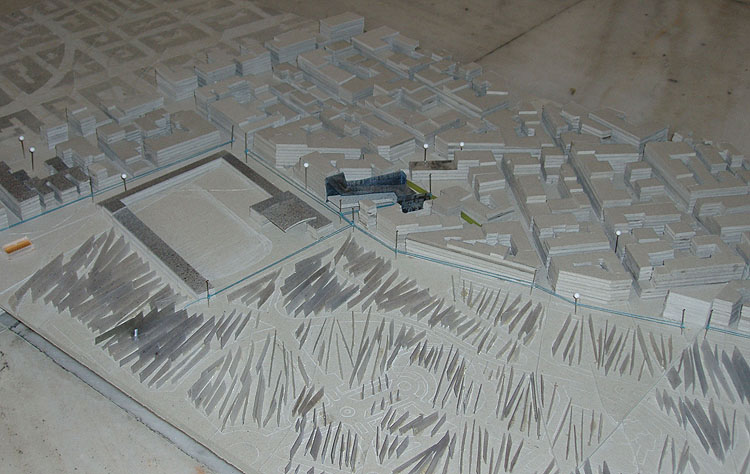
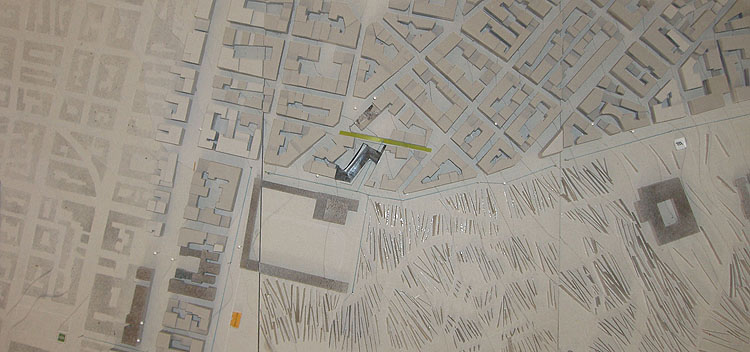
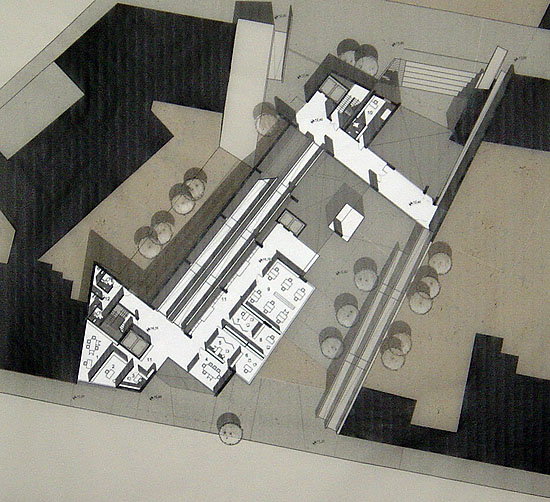
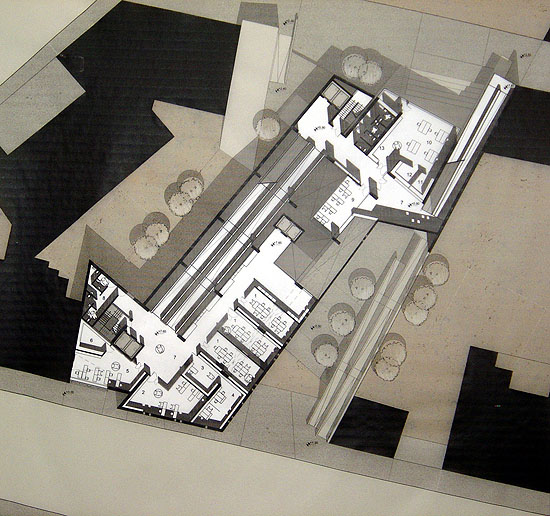
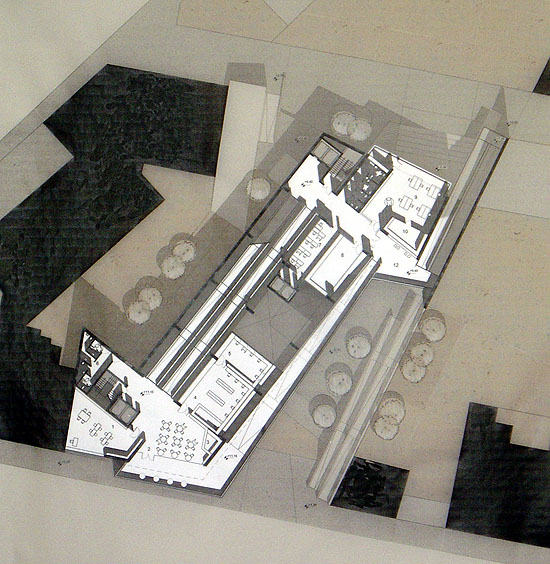
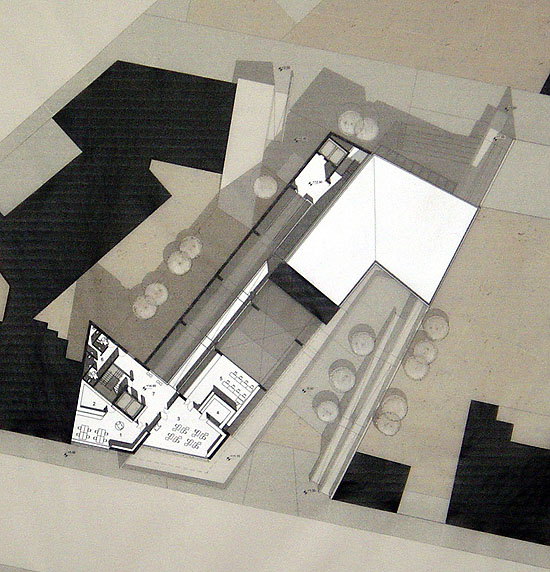
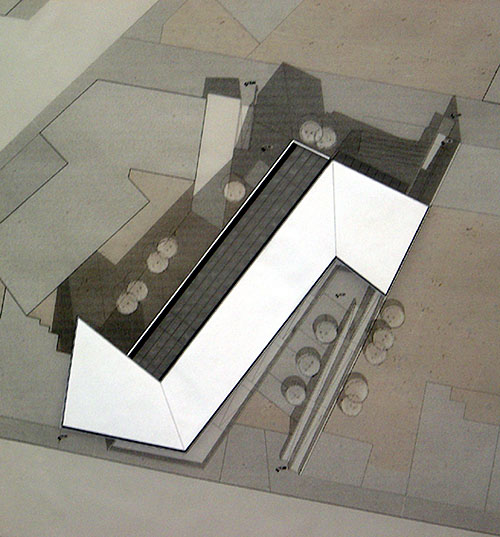
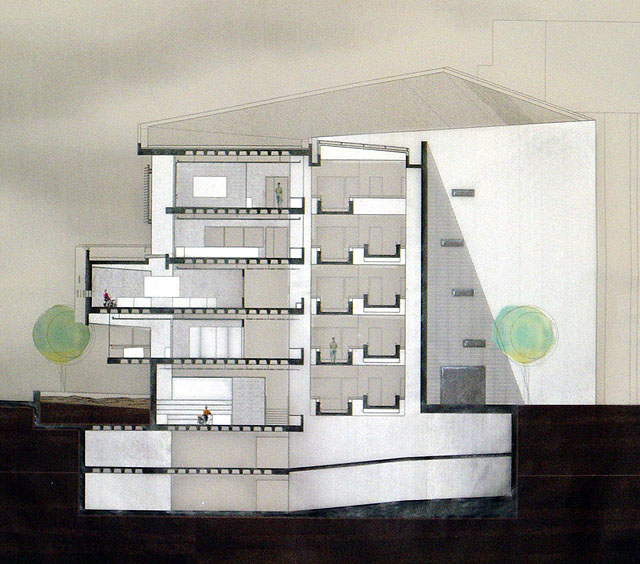
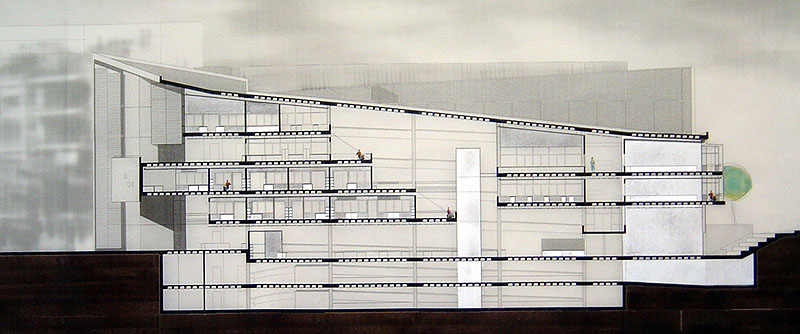
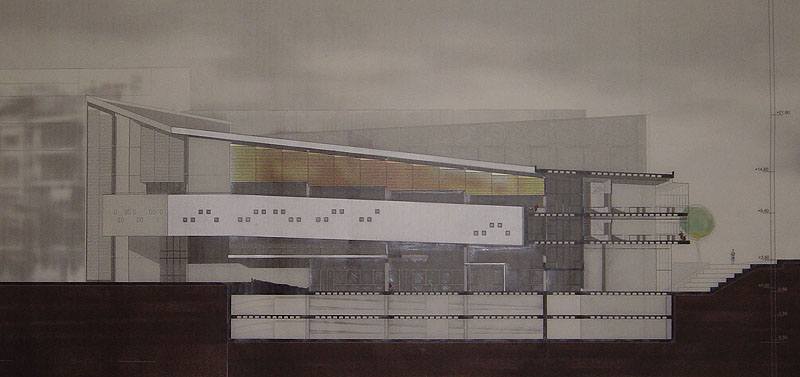
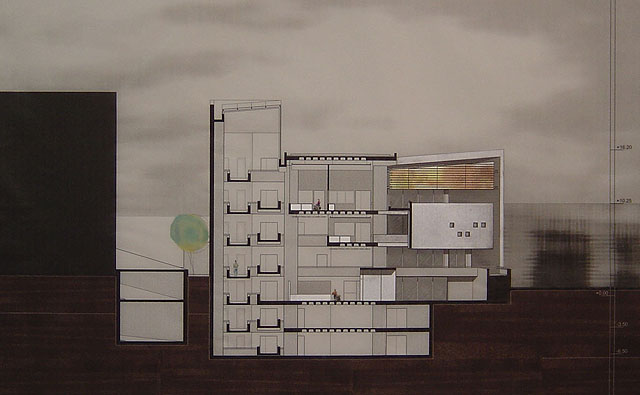
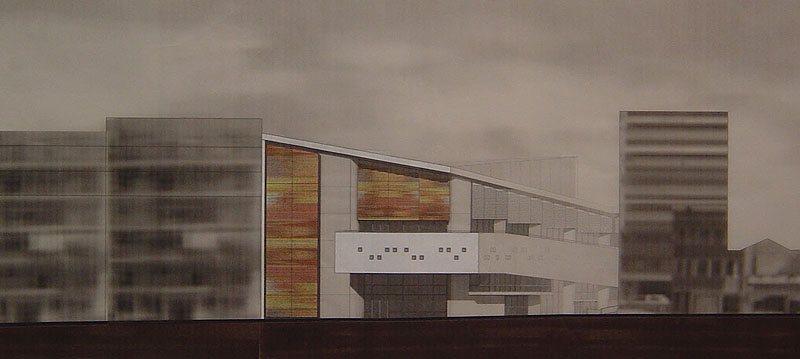
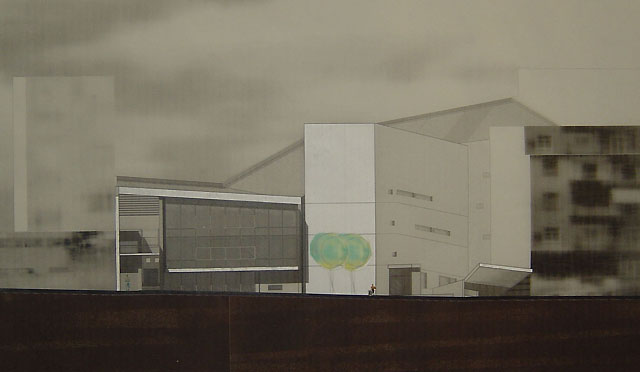
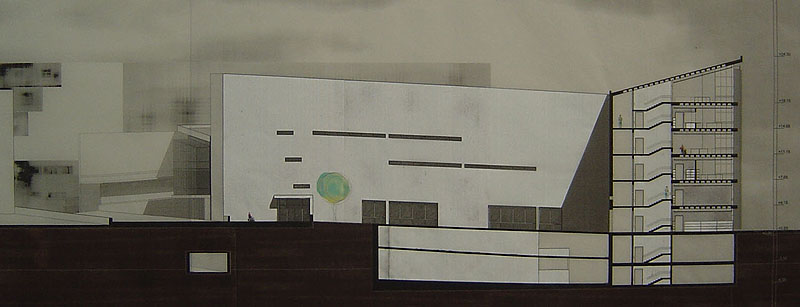
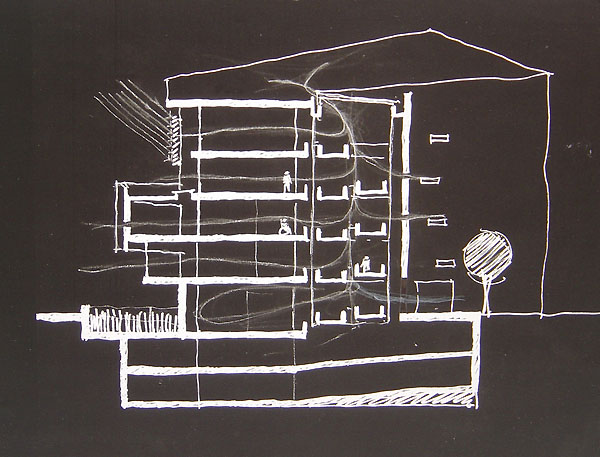
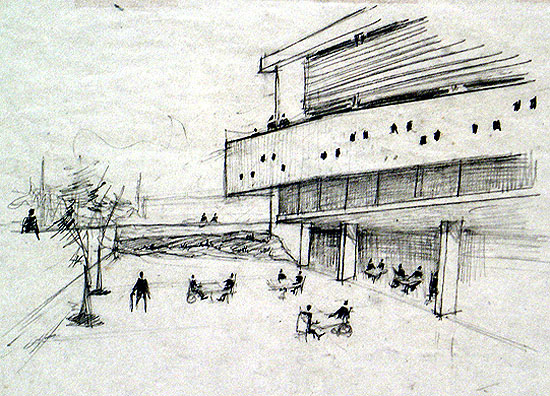
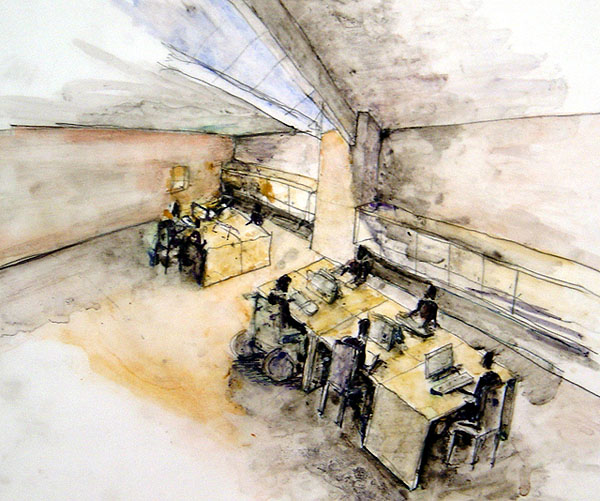
DESCRIPTION : The site is located in a central district of Athens, that preserves the characteristics of a neighbourhood. The central position of the CENTRE contributes to the socialization of disabled people and to the public awareness. The ramps (5% inclination) link all floor levels, so that the movement of all users is autonomous, without a companion or mechanical means of help. There are also elevators and staircases to accomodate movement. The ramps also offer a full perception of the building internal and external through glass. The main purpose is the socialization of disabled people by designing a building – landmark, in a form that does not relate to existing institutions. Its dynamic shape inspires and encourages disabled users to revealing their creative potential mental and physical. The building is linked to the neighbourhood: A public passage crosses along the site and connects its two fronts and a semi-open-air walk ends at a balcony which looks out over the opposite Park. The plan of the building in an S form whose edges are adjacent to the neighbour buildings in order to improve the adjoining courtyards. Thus it ameliorates the microclimate of the densely built urban tissue. In the interior, the slide of floor levels unifies the central indoor area, creating visual connections. The gradual ascending of the roof interprets the notion of flow and movement in such a static urban environment.
Building functions : Administration Reception hall, Multi-function hall, Restaurant, Cafeteria, Library - Mediatheque, Store Valuation - Preparation Vocational training (pc lab, wood – curving, pottery, florist craft, photography, religious painting) Supportive department (psychologist, social worker, nutritionist, logo therapist, doctor, occupational therapist) Career advising office
Total building area = 5.500 m2
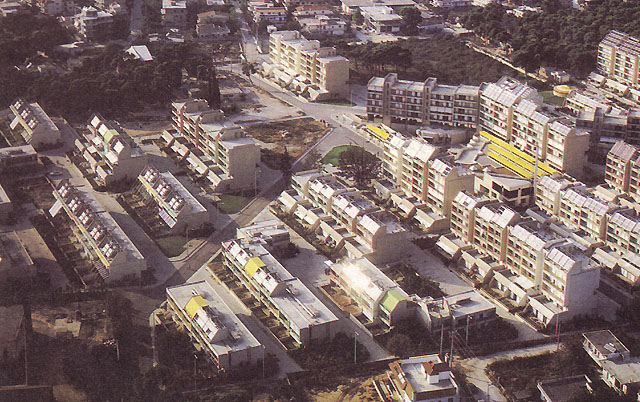
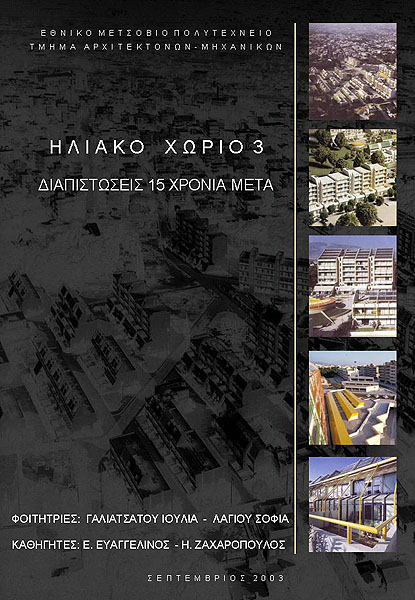
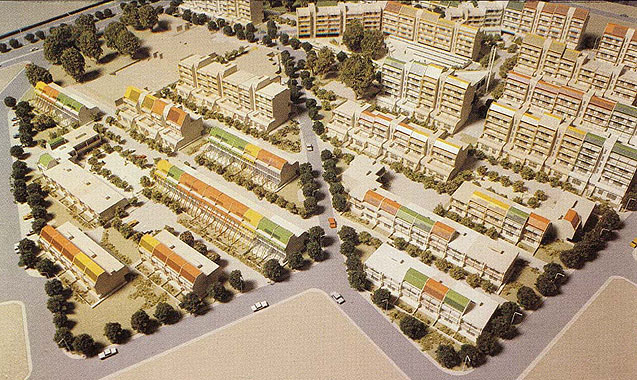
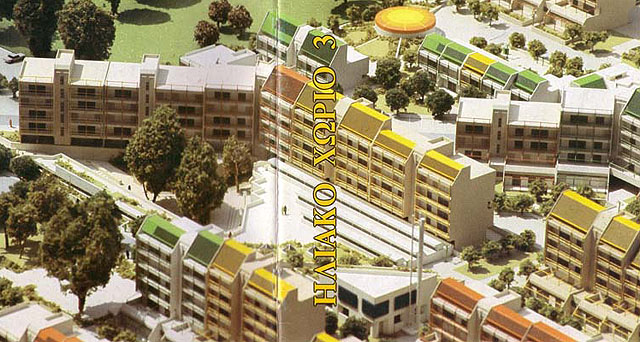
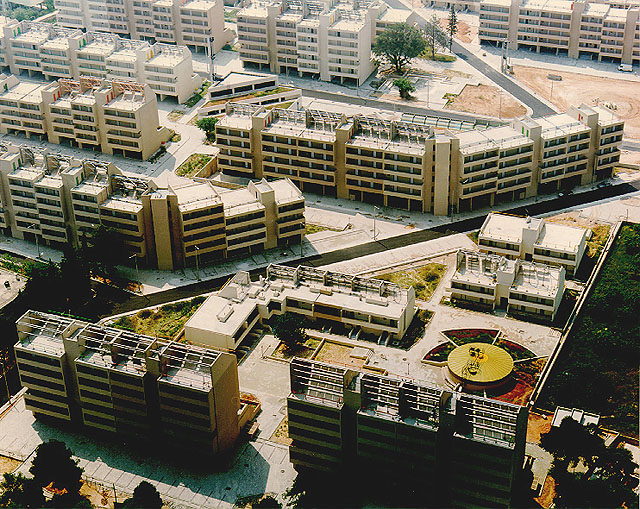
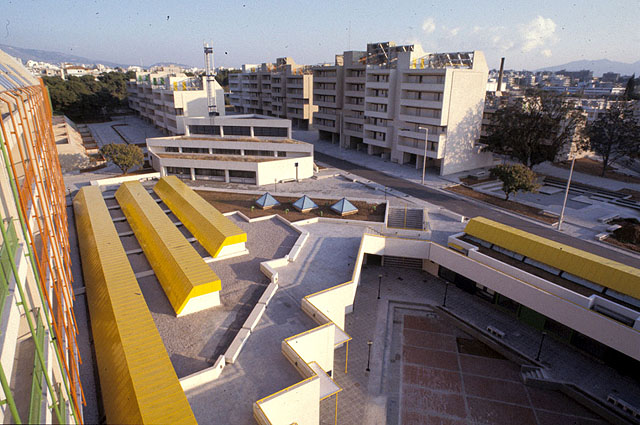
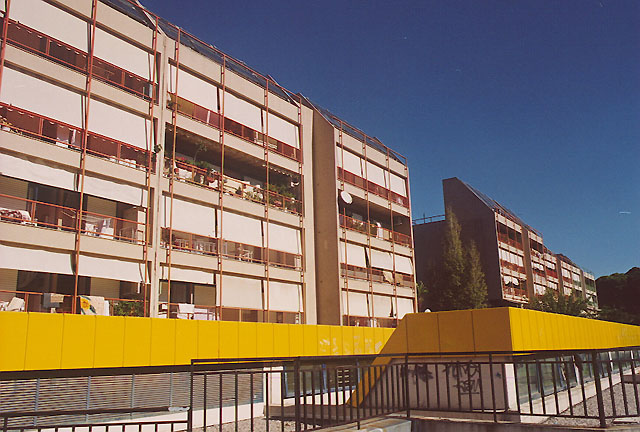
DESCRIPTION : The Solar Village in situated in Attica, municipality of Peyki, 18km from the centre of Athens. It is a example of bioclimatic architecture in large scale project. The village was build from OEK (Greek Organization for Social Housing) in 1989. It was an environmental and social pioneer experiment, one of the largest, not only in Europe but also worldwide. The main purpose of this large scale attempt was to construct and test a variety of passive and active solar systems for heating and for supplying hot water. There was a controversy over whether users with moderate education can become familiar with such systems and to what extent their everyday life affects such systems efficiency. Project search was conducted in-situ throughout a year, by taking interviews from the inhabitants and from Solar Village staff, and by studying solar architecture's principles. The findings were evaluated and conclusions were drawn about the success of this experiment and the current condition of the Solar Village.
CONCLUSIONS 15 YEARS AFTER THE COMPLETION OF SOLAR VILLAGE : The experiment of Solar Village is considered to be a relatively successful one. A variety of pioneer solar systems were tested in real life conditions and in large scale. The continuous measuring of their efficiency resulted in a great amount of knowledge and experience which can be useful for future applications. It can improve the current techniques and materials and help the production of new up-to-date systems for the Mediterranean area. This experiment revealed the easiest systems to use and the most practical ones, that are appropriate for future large scale projects. In Solar Village the consumption of conventional energy was reduced significantly and the air pollution was minimized. As a result, new social housing projects in Greece may incorporate bioclimatic systems. On the other hand, some of the active solar systems failed to work properly. Systems quite efficient but complicated and expensive (some of them were produced abroad) should be replaced from domestic simpler and cheaper systems. Passive solar systems require much user intervention and when they don't become part of the every day life of the inhabitants they have a smaller output. Such devices require energetic users who are fully aware of their function. The use of passive systems in large scale projects is more efficient when it incorporates automatisms to some extent. Despite that this is a more expensive investment, in the long run it while become more profitable. In spite of Solar Village problems and disadvantages, inhabitants enjoy a good quality of life, maybe better than other housing projects in Greece.
PROJECT ELEMENT DETAIL : Surface of houses = 3.320 m2 Surface of shops = 530 m2 Total surface = 4.650 m2 Building's height = 15,50 m Number of floors = 2 basements + 4 above ground Number of flats : 36
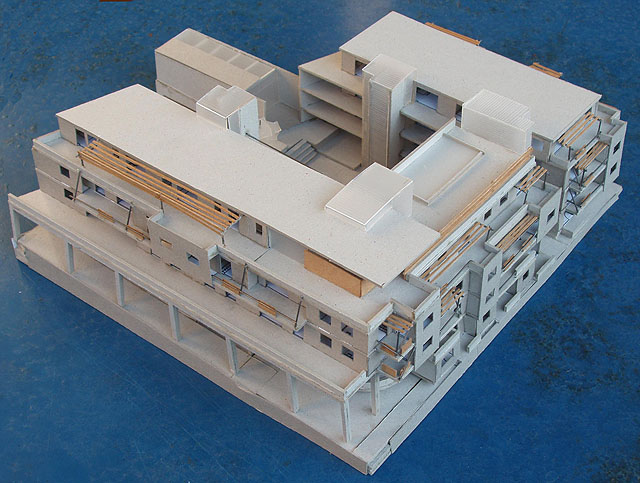
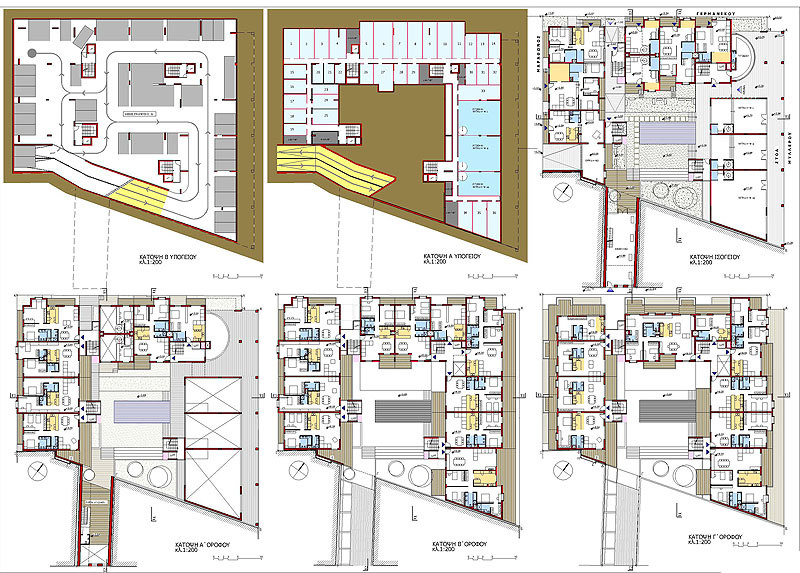
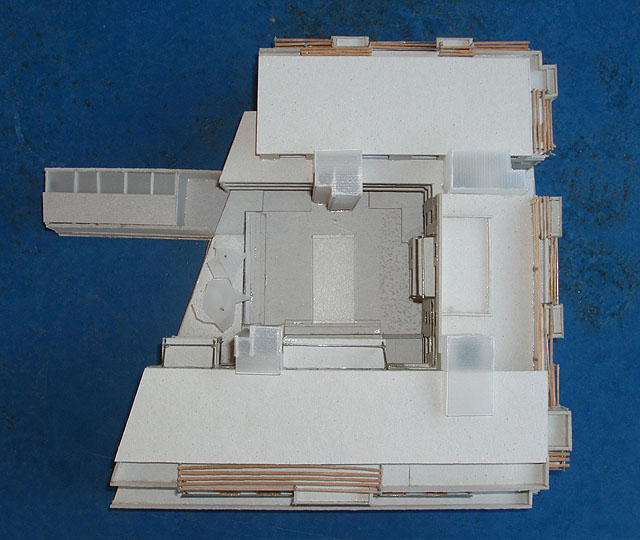
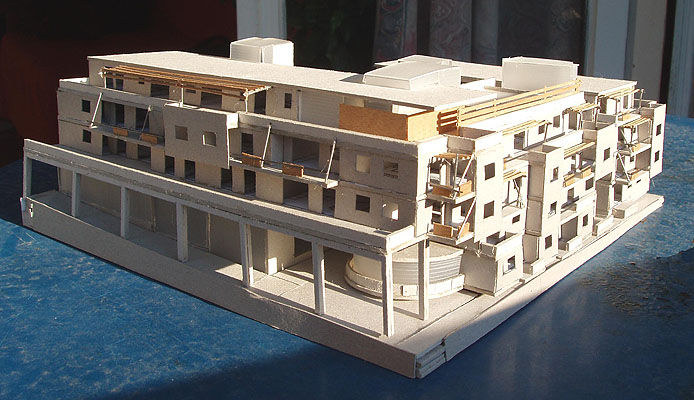
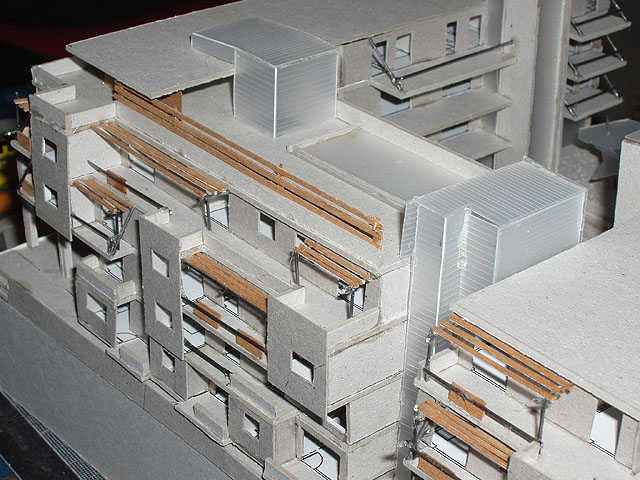
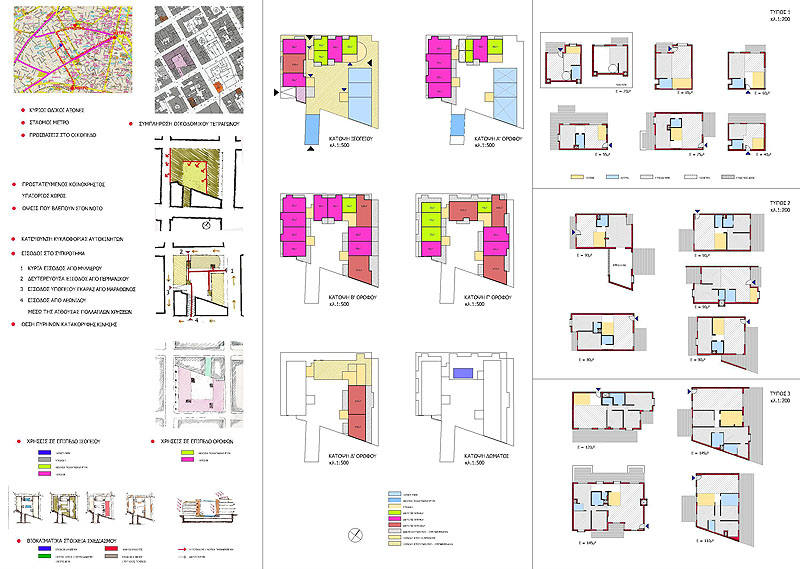
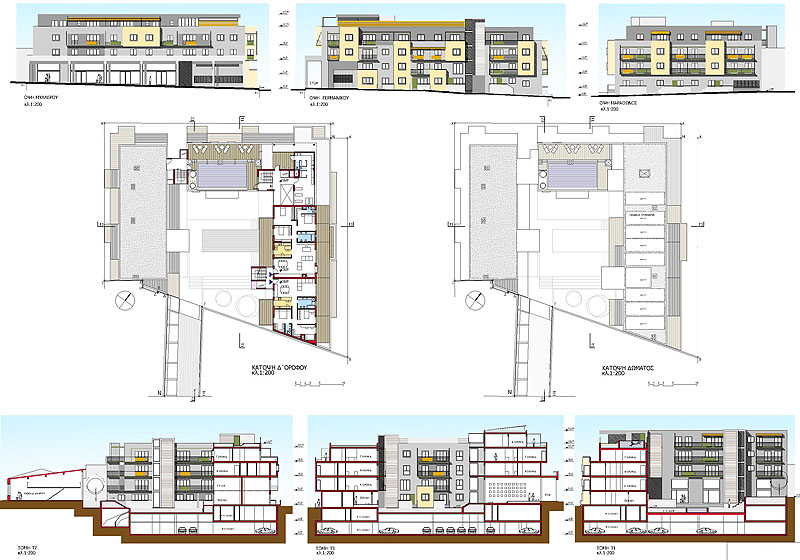
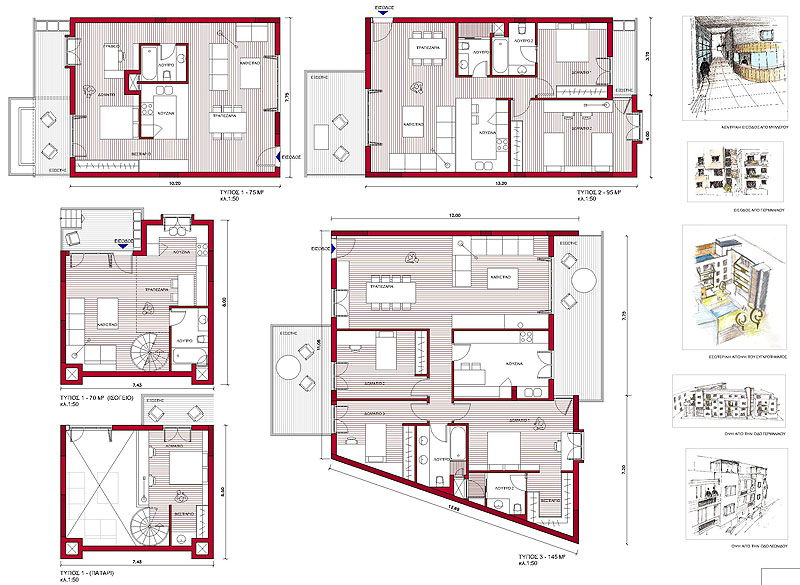
DESCRIPTION : The site is located in Metaxourgeio, a central district of Athens, opposite the historical and preservable building of the Silk-mill. It has fronts to 4 streets, one of which is a preservable facade. The complex consists of houses and a separate distinguished unit of local shops, independent from the rest of the complex. In the part of the site behind the preservable facade, there is an exhibition hall that aims to provoke artistic tendencies in the neighborhood. The building volume consists of three bars that form the three sides of a square, thus, shaping a protected central space and completing the urban tissue. There are 3 possible places of entry for the inhabitants and one to the underground garage. The complex comprise 4 cores of vertical movements (lifts-scales) avoiding long corridors. As a result, every apartment has open-air private spaces looking out over the central courtyard. The complex acquires a recognisable morphological identity by the formation of its volumes. Volume's recesses and projections and the use of different colours and materials such as wooden pergolas, metal elements in the balconies, wooden venetian blinds, colored panels and metal shelters shape the overall form of the project. These elements unify the group and contribute to the aesthetic upgrade of the region. The central space is shaped with elements of water, planting and soft surfaces for the improvement of microclimate. Modern equipment is placed in order to make this space more attractive for the tenants and suitable for their common activities. In the loft there is a pool with ample view to the Acropolis and a closed gym for the complex's tenants only. There are 3 types of apartments, each type corresponds to special needs of future users: apartments with a surface of 60-75 m2 (with 1 bedroom), apartments with a surface of 75-95 m2 (with 2 bedrooms) and apartments with a surface of 100-140 m2 (with 3 bedrooms). The apartments of the first category have quite flexible internal space and the possibility of unification. In this category there are also apartments with the bedroom in an open loft and double height of livingroom. There are two kinds of apartments in the second category: the ones with a central corridor that leads to the bedroom's sector and the ones with a central core of humid spaces (kitchen and baths) and two corridors of movement at both sides, that lead to the bedrooms. Finally, the apartments with 3 bedrooms have a master-bedroom and fireplace. All rooms allocate sufficient natural lighting and airing as well as balconies. A central installation of garbage collection is also available. Some apartments can alternatively be changed in laboratories and ateliers (workshops of painting, sculpture, traditional craftsmanships etc), according to the requirements of the region which tends to gather many artists. The building incorporates elements of bioclimatic planning in order to improve the conditions of thermic comfort in Athens' centre overloaded environment. Part of the loft of the building is planted, absorbing the solar radiation during the summertime and limiting the thermic losses in winter. The elements of water in the central courtyard create a pleasant and cool environment, while the shelters, the pergolas and the venetian blinds provide shade and render viable all open spaces during the summertime.
The building complex provides a variety in qualities of internal spaces and at the same time, constructional and morphological simplicity, flexibility and functionalism. The planning of the complex aims for the best possible living conditions towards an aesthetically attractive total with explicit architectural style. Modern materials are used in order to compose modern construction methods and architectural prototype style.
The project was published in the volume «102 x ΜΕΤΑXOURGEIO», DOMES PUBLICATIONS 2007.
|
||||||||||||||||||||||||||||||||||||